The Technologies of the Awakened Mind
Old instruments for a mind that won't settle
Five books, plus a bonus and two standalones, each taking a figure of Tibetan Buddhist thought and reading it back as what it always was: a working method for fear, attachment, confusion, guilt and anger.



13 countries
Bought on Amazon across five continents since launch.
- United States
- Brazil
- India
- Canada
- Germany
- United Kingdom
- Italy
- Australia
- Japan
- Netherlands
- Mexico
- Spain
- France
The series
One book per pattern of mind
Each volume isolates a single mental habit and rebuilds a centuries-old practice into steps you can test. Not sure where to begin? Pick what's loudest right now.
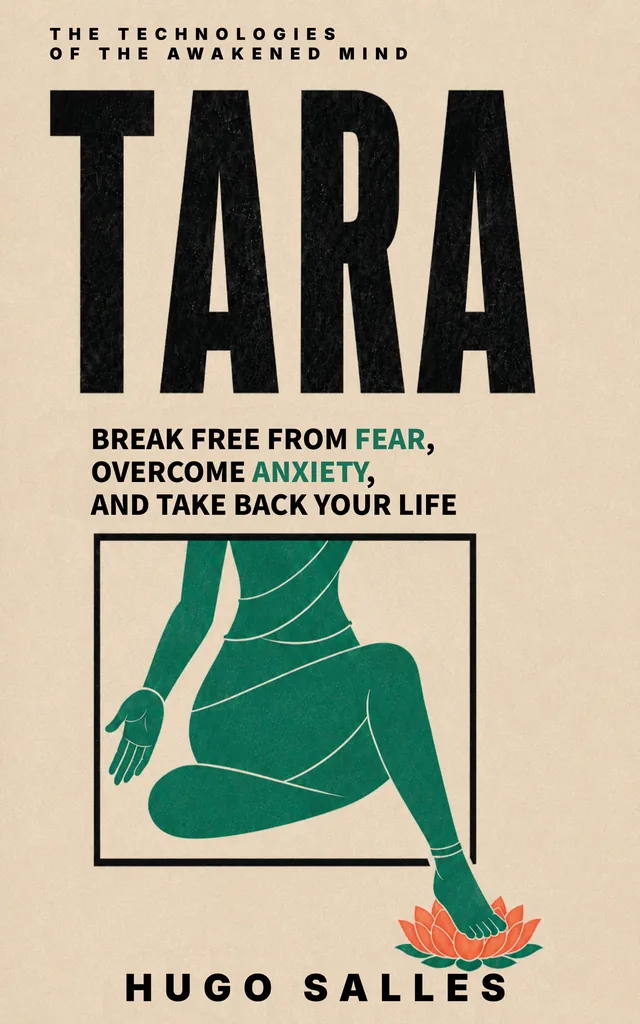
The Tibetan method for moving through fear and acting while the anxiety is still in the room.
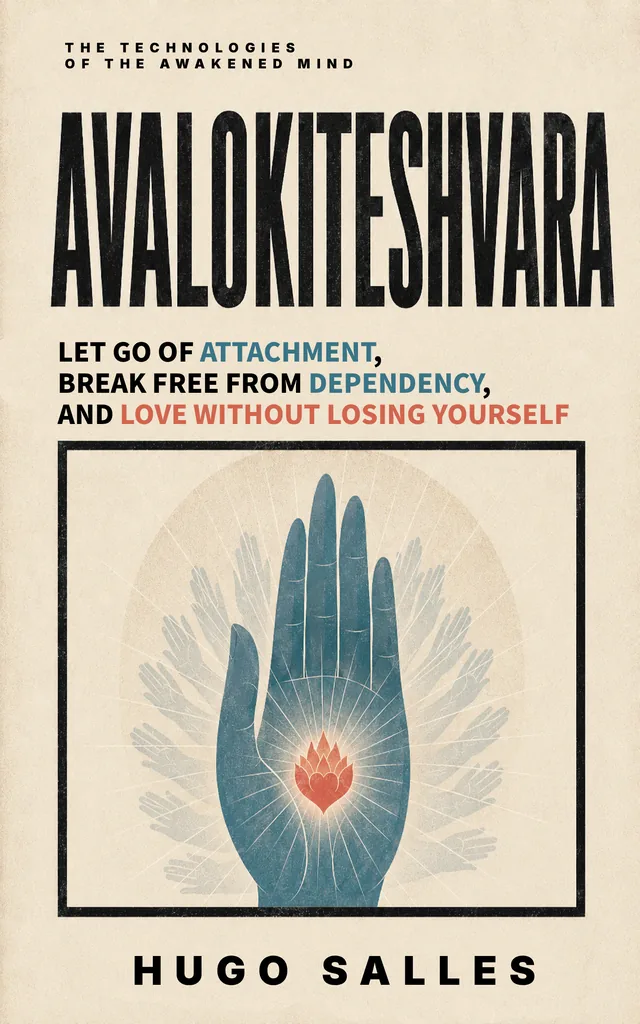
Turning attachment into care: how to love and hold outcomes without losing yourself in them.
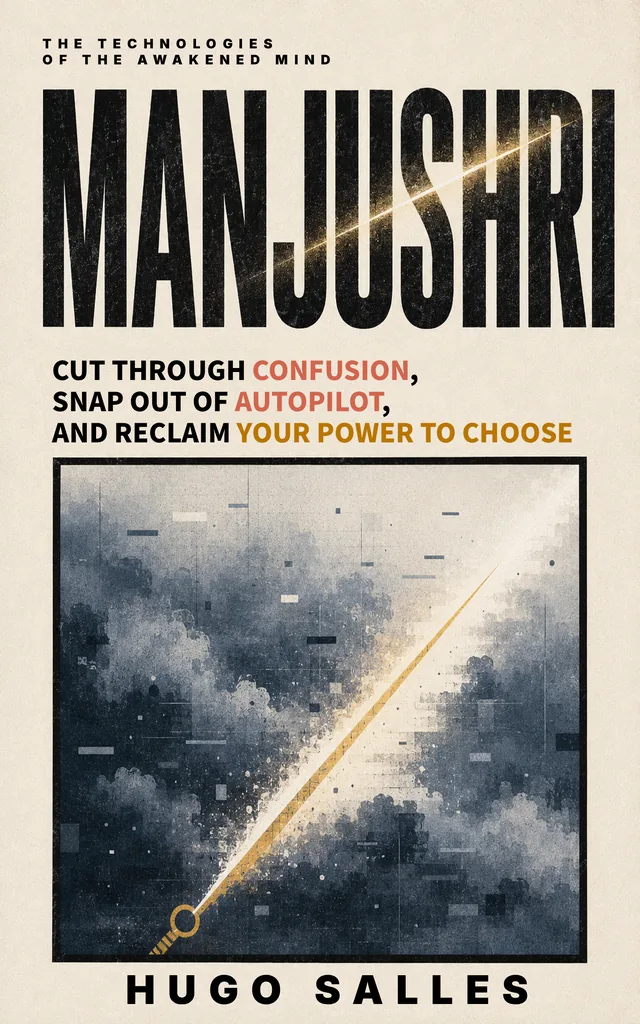
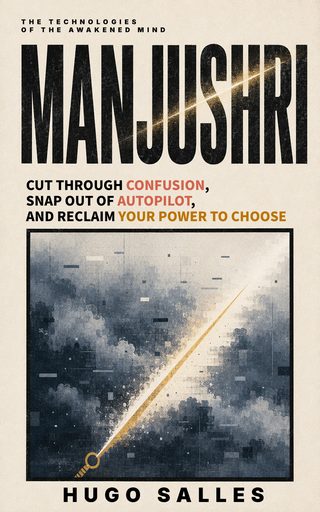
The sword as a method: cutting the essential from the noise and deciding under an excess of thought.

Purification as a process: owning the mistake without destroying yourself, then setting the rest down.
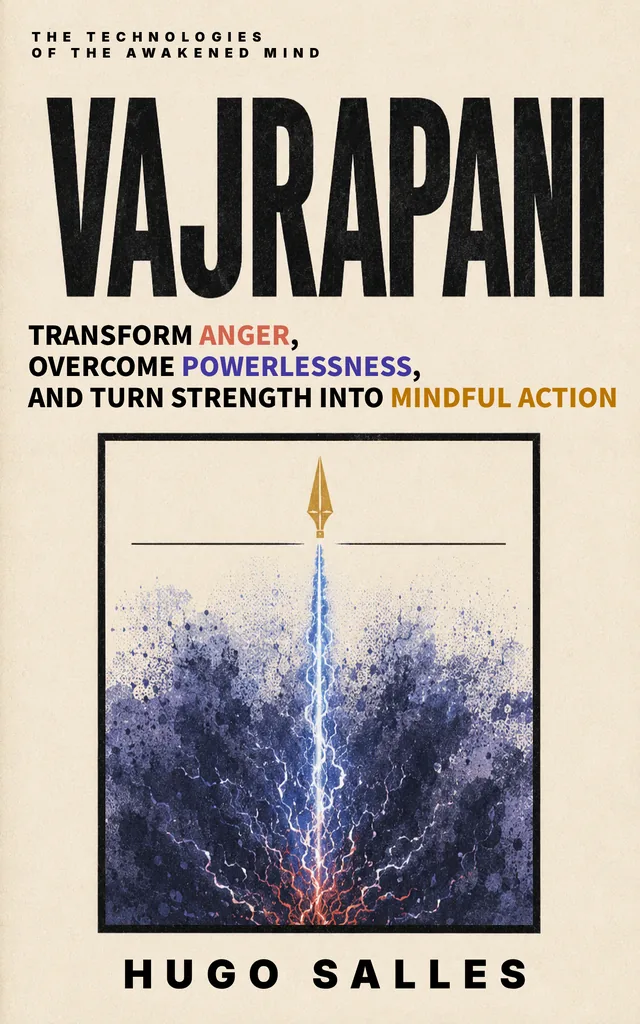
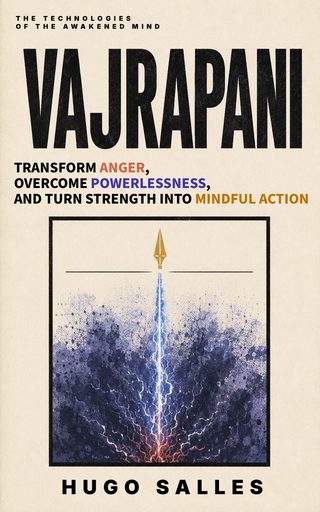
The third way between swallowing your truth and exploding: anger channelled into conscious strength.
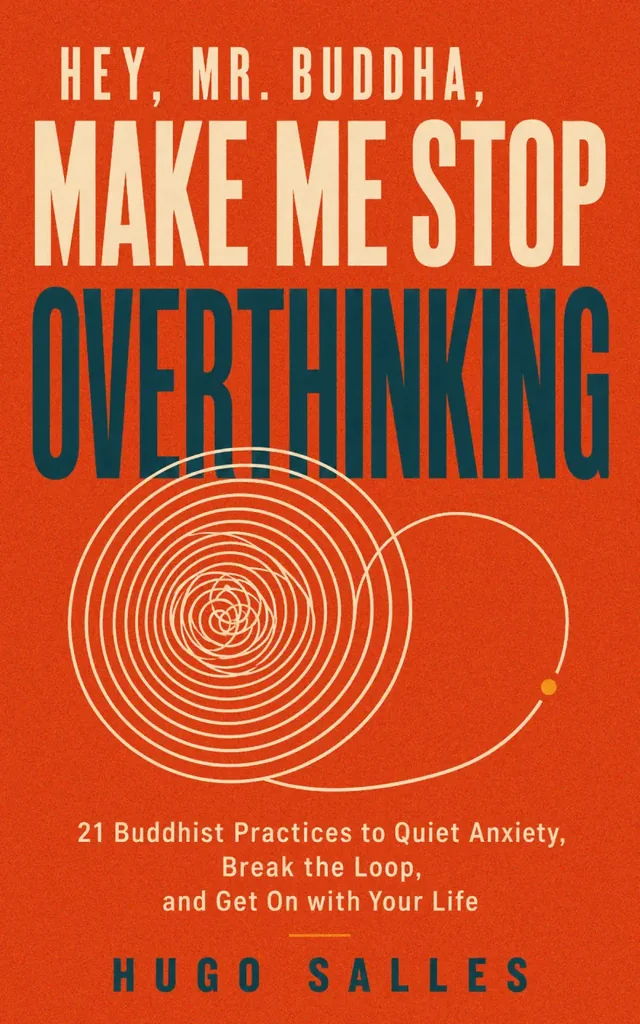
21 Buddhist practices to quiet the 2 a.m. committee, break the loop and get on with your life.

Karma as consequence, not cosmic punishment: a sharp, irreverent take on planting what you want to harvest.

For grief that got no funeral and no time off. The opening of the book, free with the newsletter.
From the reviews
Readers, in their own words
Five readers, five books. Each line is quoted as written and links to the full review.
What I found most helpful was that the author gives you something to actually do with fear.
Tara · Read on Kindle Unlimited · September 2026 · Original on Amazon
Rather than suggesting that we simply suppress our desires or emotions, Salles explores how attachment can be transformed into a more spacious, genuine form of love.
Avalokiteshvara · Paperback edition · August 2026 · Original on Amazon
I liked the way the author uses Manjushri and the image of the sword as a framework for exploring confusion, autopilot, perception, and the stories we create in our own minds.
Manjushri · Read on Kindle Unlimited · September 2026 · Original on Amazon
What I appreciated most about this book is that it doesn't simply tell readers to "let go" of guilt.
Vajrasattva · Read on Kindle Unlimited · September 2026 · Original on Amazon
The Buddhist teachings here are practical. This book gives you real tools to turn that energy into mindful action.
Vajrapani · Verified Purchase · August 2026 · Original on Amazon
Quoted as written from public Amazon reviews, each linked to its source. “Read on Kindle Unlimited” follows the author’s records; Amazon shows the Verified Purchase mark only on paid orders. Checked October 4, 2026.
“Why call them technologies?
Because that is closer to how the tradition treated them. A figure like Tara or Manjushri was never only an image to admire; it was a set of instructions, a way of doing something inside your own head with a result you could check.
This series keeps the method in front and the meaning behind it. Each book takes one recurring problem of the mind, strips the practice down to what you actually do, and leaves the rest for the reader who wants to go further.
One essay a week, on putting old ideas to work
Buddhist philosophy applied to ordinary days. Subscribe and the free pre-release of Kshitigarbha lands in your inbox.
No spam. Unsubscribe whenever you like.